 Skip to main content



Mycotoxin Cleaning Checklist for a Healthier Home
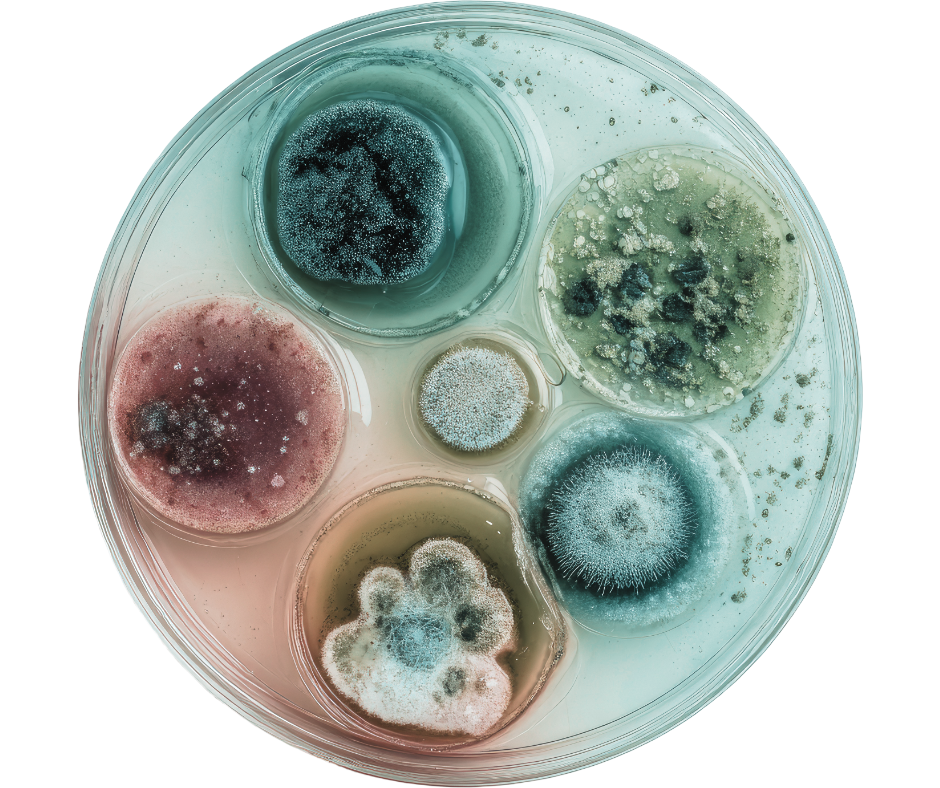
When it comes to maintaining a truly clean and healthy home, addressing hidden contaminants like mycotoxins is just as important as visible dirt and dust. These microscopic toxins—produced by certain types of mold—can linger in the air, on surfaces, and within soft materials long after mold growth appears to be gone.
This comprehensive checklist from Pro Clean will guide you through the essential steps to properly clean, neutralize, and maintain your home after mold exposure.
1. Assessment and Validation
Before starting any cleaning process, it’s critical to understand the scope of contamination.
- Identify areas with past or current mold growth.
- Consult a Certified Indoor Environmental Professional (IEP) for a thorough evaluation.
- Use their findings to prioritize high-impact zones such as:
- Living areas
- Bedrooms
- HVAC systems
- Upholstered furniture and bedding
A professional assessment ensures your cleaning efforts are targeted and effective.
2. Clean All Surfaces and Contents
Hard Surfaces
Start with a foundational clean:
- Wipe down surfaces using soap and water.
- Follow up with a non-toxic antimicrobial solution.
- Focus on:
- Walls and floors
- Baseboards
- Furniture and shelving
- Electronics and high-touch areas
Porous and Semi-Porous Materials
Mycotoxins often settle deep into soft materials.
- Use a HEPA vacuum for carpets, upholstery, curtains, and mattresses.
- Wash removable fabrics in hot water with mold-safe additives
- Discard items that:
- Have persistent musty odors
- Show signs of heavy contamination
- Are flagged by your IEP
3. Fogging or Misting for Mycotoxin Neutralization
After surfaces are physically cleaned, airborne particles may still remain.
- Use cold fogging or electrostatic spraying.
- Reach:
- Airborne spores
- Hidden crevices
- Always:
- Turn off HVAC systems during fogging
- Ventilate thoroughly afterward
This step helps neutralize contaminants that traditional cleaning may miss.
4. Air Treatment and Environmental Control
Improving air quality is key to long-term recovery.
- Run HEPA-certified air purifiers or air scrubbers.
- Use natural toxin absorbers in problem areas.
- Consider a hydroxyl generator to reduce airborne VOCs.
Consistent air treatment reduces the risk of re-exposure.
5. Binding Agents for Environmental Support
Certain natural materials can help trap and reduce toxins in the environment.
- Place activated charcoal, zeolite, or clay-based absorbers in:
- Closets
- Drawers
- Near upholstered furniture
These materials help limit the circulation of contaminants in your living space.
6. Ongoing Maintenance for Long-Term Air Quality
Preventing recurrence is just as important as initial cleaning.
- Keep indoor humidity below 50%.
- Vacuum and dust regularly using HEPA-grade equipment.
- Clean vents and replace HVAC filters (MERV 11–13 recommended).
- Monitor indoor air quality.
- Schedule periodic professional evaluations if needed.
Why This Matters
Mycotoxins can persist in dust and porous materials, making them difficult to eliminate without a structured plan. Incomplete cleaning can lead to continued exposure and ongoing concerns. A thorough, professional approach ensures your home is not just visibly clean—but truly refreshed and safe.
Final Thoughts
Addressing mycotoxins requires more than a surface-level clean. By combining proper assessment, detailed cleaning, air purification, and preventative maintenance, you can restore a healthier indoor environment.
Whether you’re recovering from mold remediation or suspect hidden contamination, following this checklist can help guide your next steps with confidence.
Professional Cleaning for Mycotoxin Support (Simple Approach)Final Thoughts
For many homeowners, bringing in a professional cleaning team can make the process easier, faster, and more effective—especially after mold exposure.
- Schedule a detailed, top-to-bottom cleaning.
- Request HEPA vacuuming for carpets, upholstery, and dust-prone areas.
- Use non-toxic, antimicrobial products for all surfaces.
- Focus on high-impact areas like bedrooms, living spaces, and HVAC vents
- Consider recurring cleanings to maintain a low-toxin environment.
A professional cleaning doesn’t replace remediation—but it plays an important role in reducing leftover dust, debris, and contaminants, helping your home feel cleaner, fresher, and easier to maintain. Give Pro Clean a call to schedule a professional cleaning service by calling us at 818-902-5412.
